Using AI honestly: the line between help and academic misconduct
Harvard Online argues AI work demands ethical skills, not just technical ones. For students that question is immediate: what counts as help, and what counts as cheating?
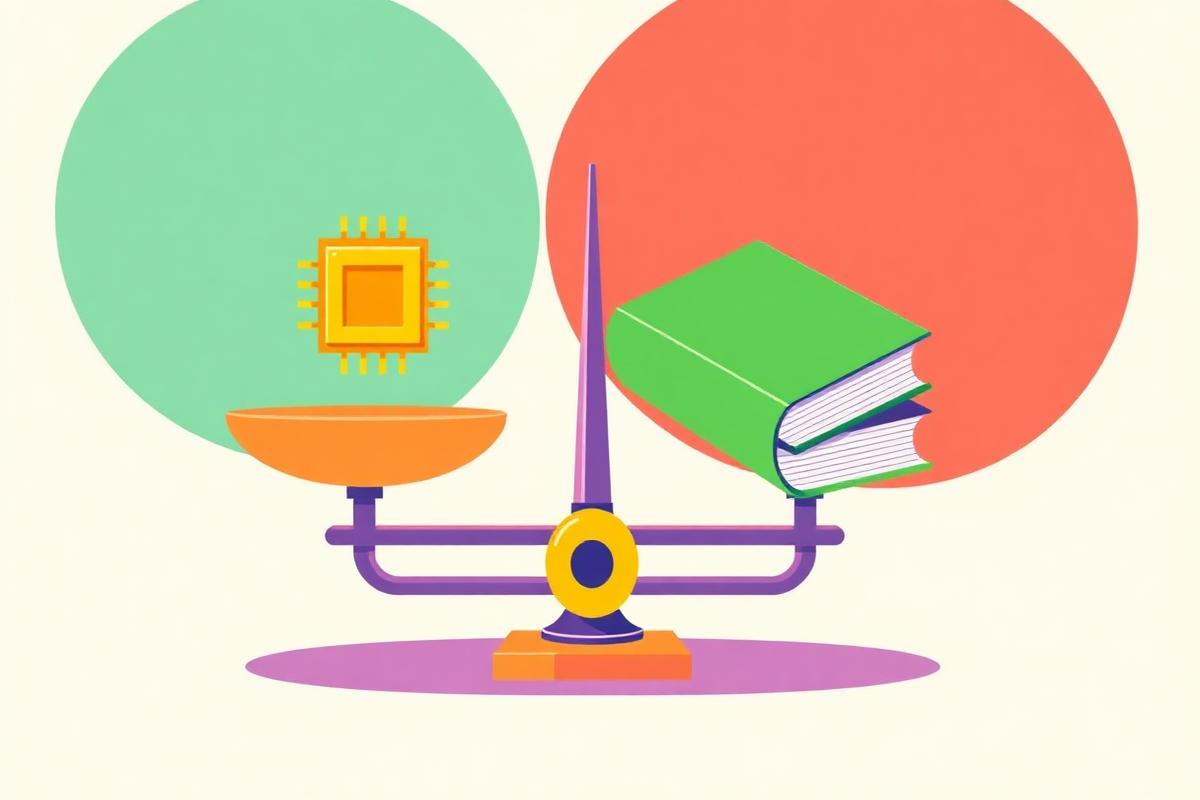
Harvard Online's framing is that competence with AI now includes judgement about when and how to use it. Students meet that question earlier than most professionals, and usually without clear guidance.
A workable test
Ask whether the AI did work your marker is trying to measure. Turning your own notes into flashcards, generating practice questions, or getting an explanation of a concept is study support. Producing sentences you then submit as your own analysis is not, whatever the tool is called.
Your institution's rules override any general advice
Policies differ sharply between schools, colleges and universities, and between subjects within them. Read the assessment brief, and when it is ambiguous, ask before you submit rather than after.
Keep your own trail
Save the notes you started from and the drafts you wrote. Being able to show your process is the cheapest defence against a misconduct query, and it also makes your revision better.
Hallucination is an academic risk, not just a technical one
A confident wrong fact in your notes will be repeated in the exam. Anything you memorise should be traceable to a source you trust — your own material, the textbook or the syllabus.
Used within those limits, AI shortens the boring parts of studying without putting your grade or your integrity at risk.
- If AI produced the thinking being assessed, do not submit it.
- Check your institution's specific policy before you rely on a tool.
- Keep drafts and sources so your process is provable.
This article is StudyPie's own summary and student-focused commentary on “Artificial Intelligence Demands More Than Technical Skills. It Demands Ethical Ones”, published by Harvard Online. We do not reproduce the original text, and StudyPie is not affiliated with or endorsed by Harvard Online.
Read the original on Harvard Online